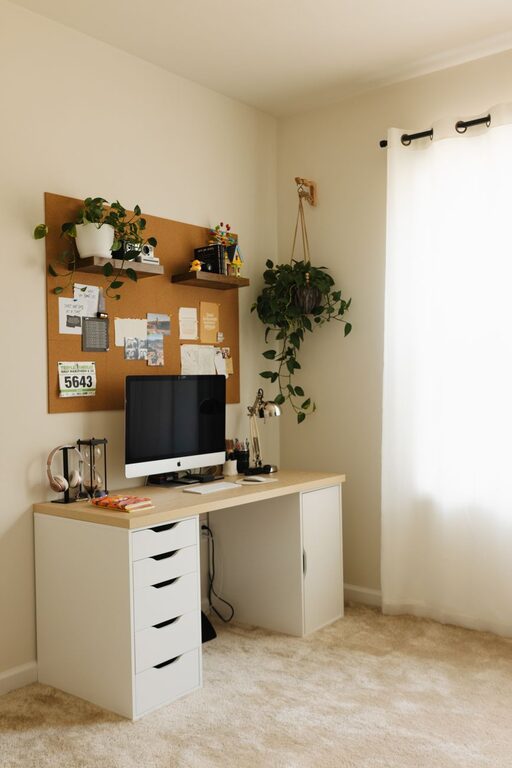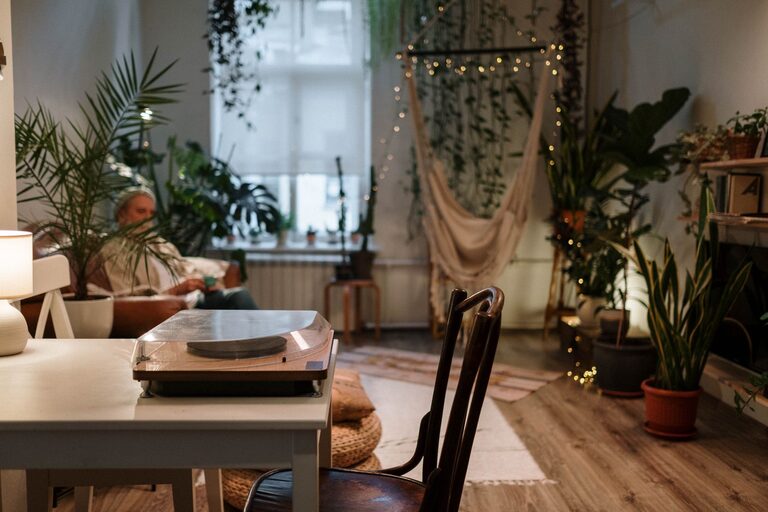
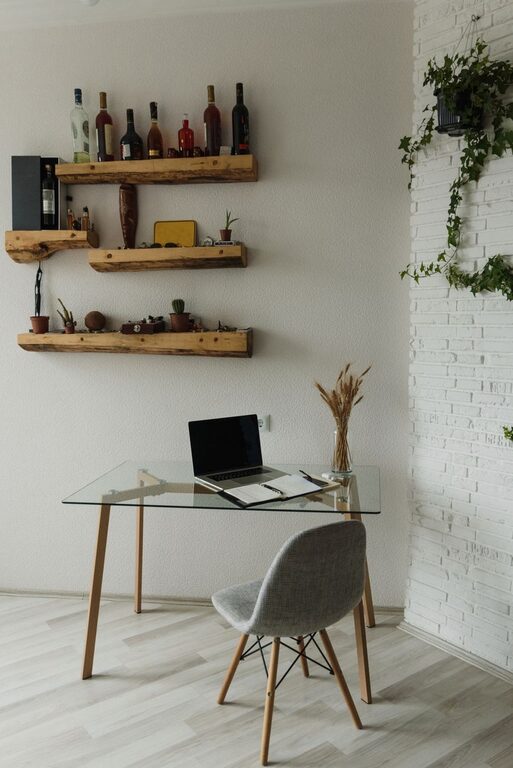
Creating a cozy and inviting home workspace is essential for anyone working remotely or spending time on projects at home. A well-designed workspace can improve focus, increase motivation, and make your work hours more enjoyable. Whether you have a dedicated room or just a small corner, you can turn it into a comfortable area that matches your style and needs.
In this post, we’ll explore practical tips to help you design a home workspace that feels welcoming and supports your productivity.
Choose the Right Location
The foundation of a cozy workspace begins with selecting the right spot in your home. Consider these factors when picking your workspace location:
– Natural Light: Aim for a spot near a window to enjoy natural daylight. It helps reduce eye strain and lifts your mood.
– Quiet Area: Find a space with minimal distractions and noise to help maintain concentration.
– Comfortable Temperature: Choose a well-ventilated area where you can control the temperature easily.
– Adequate Space: Ensure there is enough room for your desk, chair, and any supplies you need.
If you don’t have a separate room, a quiet corner in your living room, bedroom, or even a nook near the kitchen can work well.
Invest in a Comfortable Chair and Desk
Since you’ll be spending significant time seated, an ergonomic chair is crucial. Look for one that offers good back support and adjustable features. Sitting comfortably reduces fatigue and prevents posture-related aches.
The desk should fit your available space and be the right height for your work style. Standing desks or adjustable desks are excellent for people who prefer flexibility between sitting and standing.
Tips for Choosing Furniture
– Test chairs in-store if possible.
– Opt for desks with storage options to reduce clutter.
– Consider desks with cable management to keep cords organized.
Create Soothing Lighting
Good lighting enhances comfort and productivity. Besides natural light, add layers of lighting that reduce eye strain:
– Task Lighting: A desk lamp with adjustable brightness helps when working on detailed tasks.
– Ambient Lighting: Use warm-toned lights to create a relaxing atmosphere.
– Accent Lighting: String lights or small lamps add a decorative and cozy touch.
Avoid harsh fluorescent lighting or placing screens directly opposite bright windows, which can cause glare.
Personalize Your Space with Decor
Making your workspace feel inviting is about adding personal touches that inspire you.
– Colors: Choose soothing colors like soft blues, greens, or earth tones to promote calmness.
– Plants: Indoor plants improve air quality and bring life to your space.
– Artwork: Display artwork or photos that make you happy and motivated.
– Textiles: Add a comfy cushion or a small throw blanket to your chair for extra warmth and texture.
– Organizers: Use stylish trays, baskets, or file holders that complement your décor while keeping supplies neat.
Personalizing your space boosts your mood and makes spending time there more pleasurable.
Keep Your Workspace Organized
Clutter can quickly lead to stress and distraction. Implement organization strategies to keep your area tidy:
– Use drawer organizers for small items like pens, paperclips, and sticky notes.
– Store cables with clips or ties to prevent tangling.
– Keep only essentials on your desk and file away documents regularly.
– Use digital tools for note-taking and task management to reduce paper waste.
– Schedule weekly tidying sessions to maintain order.
A clutter-free space helps create a calm environment that fosters creativity and focus.
Incorporate Comfort-Boosting Accessories
Small details can make your workspace much cozier and functional.
– Soft rugs underfoot can add warmth, especially in rooms with hard flooring.
– Noise-canceling headphones can help block distracting sounds.
– A water bottle or mug ensures you stay hydrated and cozy during breaks.
– A small fan or heater lets you adjust the temperature to your liking.
– A whiteboard or bulletin board helps keep important reminders in sight and organize your thoughts visually.
These accessories improve your overall experience and encourage longer periods of comfortable work.
Establish Boundaries and Routines
Lastly, creating a cozy workspace is also about making it a place dedicated to work, even if it’s at home.
– Set clear work hours and communicate boundaries to family or housemates.
– Start your day with a simple routine, like making coffee or reviewing your to-do list.
– Take short breaks to stretch and relax, which helps prevent burnout.
– At the end of the day, tidy your workspace to signal that work time is over.
Having routines connected to your physical space supports focus and balance.
—
By selecting the right location, investing in ergonomic furniture, using calming lighting, personalizing décor, staying organized, adding comfort-focused accessories, and creating clear work boundaries, you can design a home workspace that is both cozy and inviting. A well-crafted workspace helps you feel motivated, comfortable, and ready to tackle your tasks each day. Try these tips to transform your home office and enjoy working where you live.