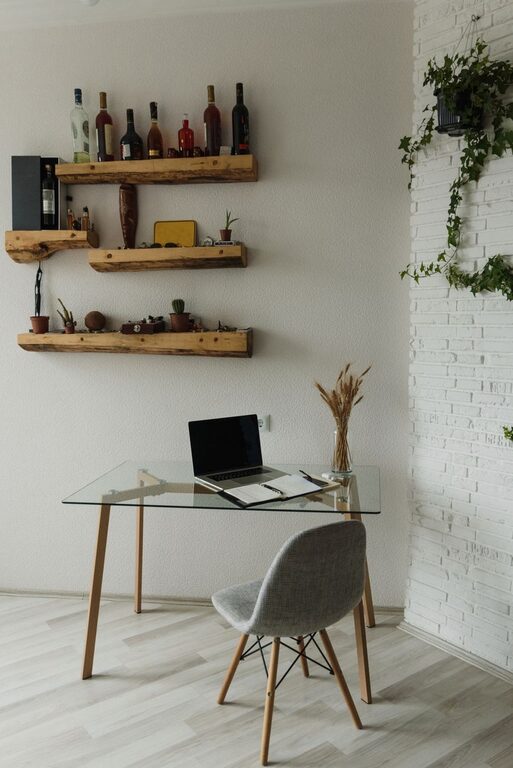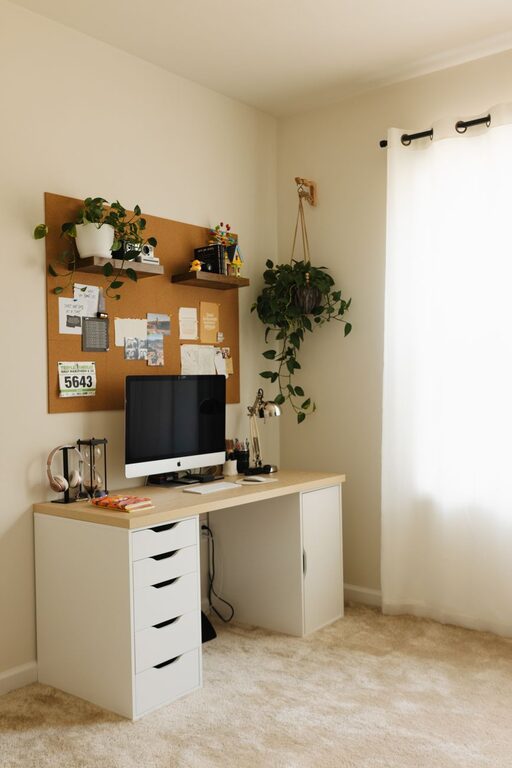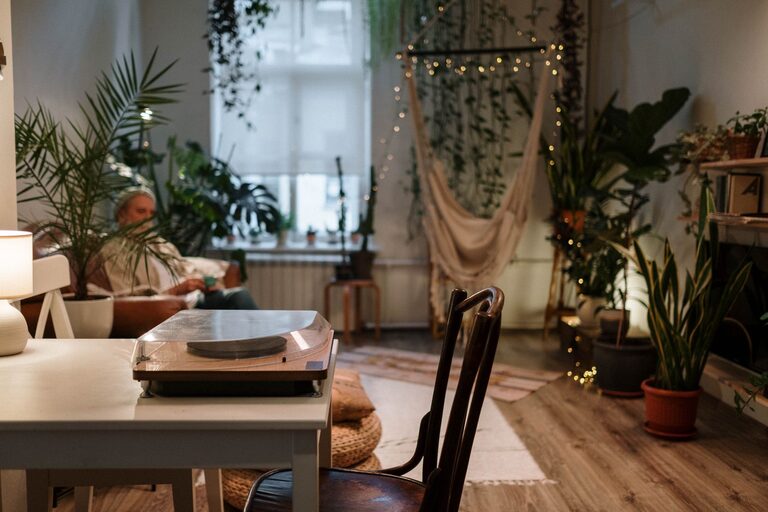
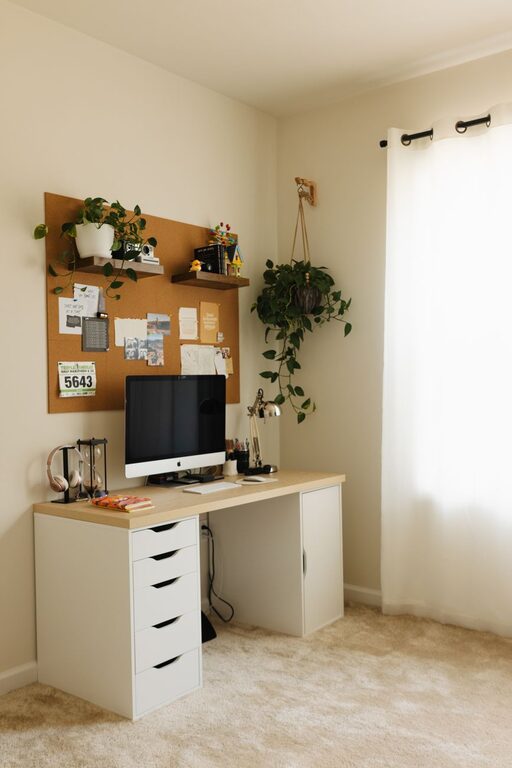
Creating a cozy and functional home workspace is essential for anyone who spends time working from home. A well-designed workspace can improve productivity, reduce stress, and make your workdays more enjoyable. Whether you have a dedicated room or just a small corner, there are plenty of ways to transform your space into an inviting and efficient area. This guide offers practical tips to help you create a workspace that suits your style and needs.
Assess Your Space and Needs
Before you start decorating or buying furniture, take time to evaluate what you really need. Consider the following:
– Available space: Do you have a spare room, a nook, or just a corner of a living area?
– Type of work: Do you need room for a computer, paper files, or creative tools like paints or sewing machines?
– Duration of work: Will you spend a few hours or most of your day in this space?
– Natural light: Is there a window nearby that you can use to your advantage?
Understanding your space and work habits helps you choose the right furniture, lighting, and accessories.
Choose Comfortable and Supportive Furniture
Comfort is key to maintaining focus and preventing strain.
– Desk: Select a desk that fits your tasks. A larger surface might be necessary for multiple monitors or paperwork, while a compact desk works well for minimal setups.
– Chair: Invest in an ergonomic chair with adjustable height and good lumbar support. Sitting comfortably reduces fatigue and back pain.
– Storage: Incorporate shelves, drawers, or filing cabinets to keep your workspace tidy and organized.
If possible, consider a height-adjustable desk. Being able to switch between sitting and standing can boost energy and reduce discomfort.
Maximize Lighting
Good lighting reduces eye strain and creates a welcoming ambiance.
– Natural light: Position your desk near a window. Natural light improves mood and focus.
– Task lighting: Use an adjustable desk lamp with warm white LED bulbs to illuminate your work area.
– Ambient lighting: Soft overhead lighting or floor lamps can add coziness without causing glare.
Avoid harsh fluorescent lights, which can be tiring over long periods.
Add Personal Touches and Soothing Elements
Your space should feel inviting and inspire creativity.
– Decor: Choose artwork, photos, or decorative objects that motivate you.
– Plants: Indoor plants improve air quality and add a touch of nature.
– Colors: Use calming colors like soft blues, greens, or neutrals. These tones promote relaxation and concentration.
– Textiles: Add cozy rugs, cushions, or blankets to soften the space and enhance comfort.
Balance personal touches with simplicity to avoid clutter.
Organize for Efficiency
A well-organized workspace helps maintain productivity.
– Desk organization: Use trays, pen holders, and organizers to keep essentials within reach.
– Cable management: Tidy cables with clips, sleeves, or ties to avoid tangles and distractions.
– File system: Implement a simple system for physical and digital files to find documents easily.
– Daily routines: Develop habits to clear and reset your workspace at the end of each day.
Regularly decluttering your workspace keeps it functional and stress-free.
Minimize Distractions
An environment free of unnecessary distractions enables better focus.
– Noise control: Use noise-cancelling headphones or white noise machines if household sounds are intrusive.
– Separate work and relaxation zones: If possible, avoid working from your bed or couch to keep work and rest areas distinct.
– Notifications: Manage digital interruptions by silencing non-essential alerts during work hours.
Clear boundaries help maintain work-life balance.
Incorporate Technology Thoughtfully
Technology can enhance your workspace but should not overwhelm it.
– Monitor placement: Position your screen at eye level and about an arm’s length away to reduce neck and eye strain.
– Devices: Choose reliable devices and accessories that suit your needs without crowding your desk.
– Wi-Fi and power: Ensure your workspace has strong internet access and conveniently located power outlets or surge protectors.
Keeping cords and devices organized supports a cleaner work area.
Prioritize Air Quality and Comfort
A pleasant environment supports well-being.
– Ventilation: Open windows regularly or use air purifiers to keep air fresh.
– Temperature control: Use fans, heaters, or humidifiers as needed to maintain comfort.
– Break area: If space allows, create a small spot for stretching or relaxation breaks.
A comfortable environment helps sustain energy and focus throughout the day.
Final Thoughts
Designing a cozy and functional home workspace is a personal journey that reflects your work style and preferences. By combining comfort, organization, and a touch of personality, you can create a space that not only supports your tasks but also enhances your overall enjoyment. Remember, simplicity and consistency often yield the best results. Start with the basics, then adjust and personalize your space as you discover what works best for you.