Creating a home office that is both relaxing and productive can make a huge difference in how you work every day. When your workspace feels comfortable and inviting, it’s easier to focus and get tasks done efficiently. Whether you’re new to working from home or looking to improve your current setup, these tips will help you create an environment that suits your needs perfectly.
Why a Relaxing Home Office Matters
Your home office is more than just a place to do work—it’s an environment that directly impacts your mood, focus, and overall well-being. A cluttered or uncomfortable workspace can lead to distractions and stress, while a calm and organized area encourages productivity and creativity.
Benefits of a Relaxing Home Office
– Reduces stress and fatigue
– Improves focus and concentration
– Enhances creativity and motivation
– Supports physical comfort and health
Now, let’s explore how you can create this ideal space.
Choose the Right Location
Start by selecting a spot in your home that feels quiet and separate from everyday distractions. If possible, use a dedicated room or corner with minimal foot traffic. Natural light is a big plus—try to place your desk near a window to enjoy daylight and outdoor views.
Tips for Finding the Perfect Spot:
– Avoid noisy areas like near the TV or kitchen
– Check for good lighting options and electrical outlets
– Consider a space that can be closed off or screened for privacy
Invest in Ergonomic Furniture
Comfort is key when you spend long hours at your desk. Ergonomic furniture supports good posture and reduces strain on your body, allowing you to work comfortably for longer periods.
Essential Pieces:
– Ergonomic chair with adjustable height and lumbar support
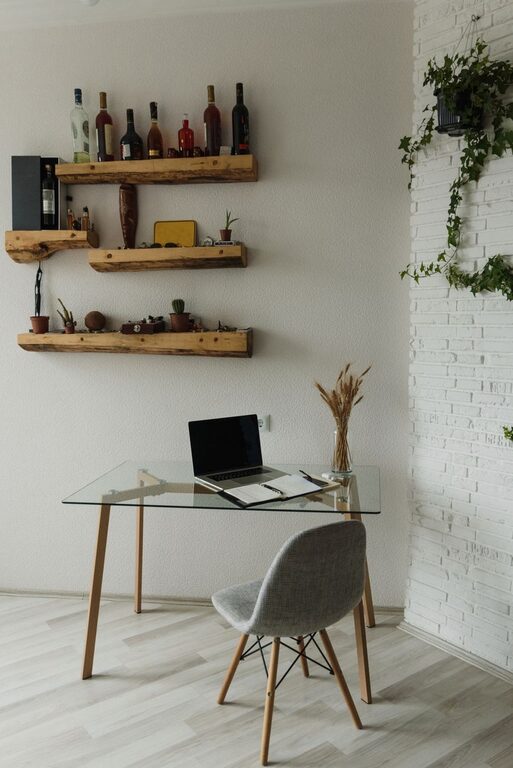
– Desk at the right height to keep arms at a 90-degree angle
– Keyboard and mouse positioned to minimize wrist strain
Adding a footrest or an adjustable standing desk can also boost comfort and encourage movement throughout the day.
Keep It Organized and Clutter-Free
A tidy workspace promotes a tidy mind. Clutter can distract you and make it harder to focus. Use storage solutions to keep your desk neat and your supplies within reach.
Organization Ideas:
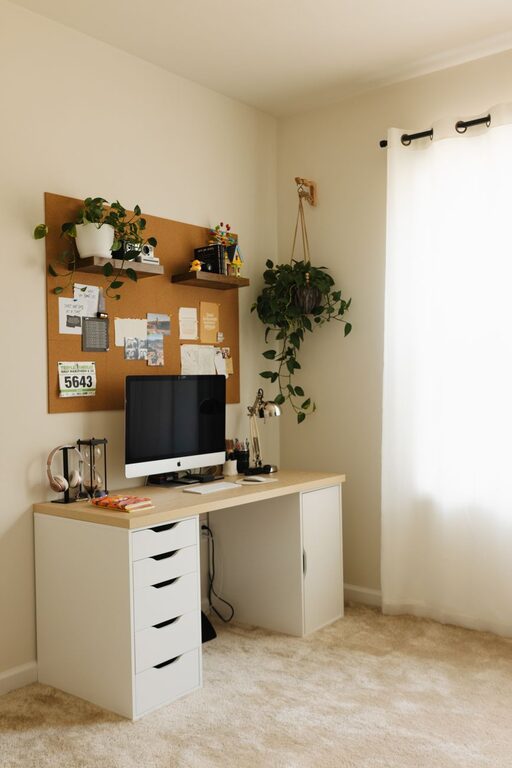
– Drawers or filing cabinets for papers and files
– Shelves or storage boxes for books and office supplies
– Cable organizers to keep cords untangled and out of sight
Make a habit of clearing your desk at the end of each day to maintain a fresh start every morning.
Use Calming Colors and Decor
Colors affect mood. Choose paint colors and decor that promote relaxation and focus. Soft neutrals, blues, and greens tend to have calming effects and help reduce anxiety.
Decorating Tips:
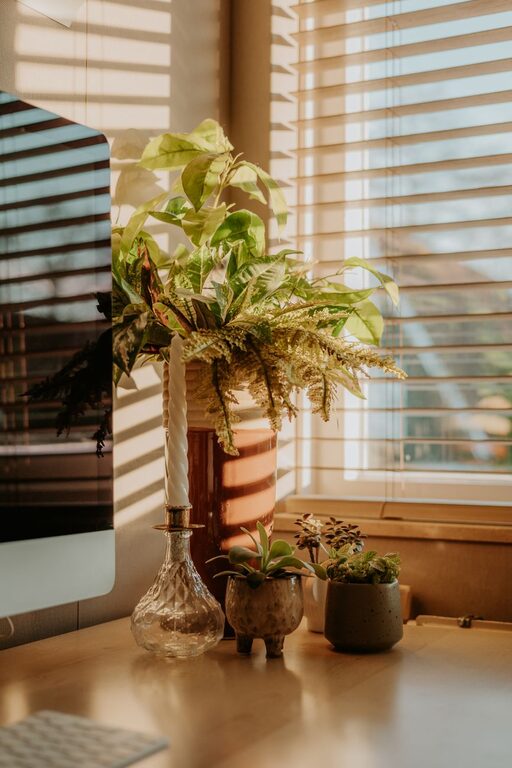
– Add plants to bring life and fresh air into the space
– Use artwork or photos that inspire positivity
– Incorporate soft textures through rugs, cushions, or curtains
Avoid too many bright or distracting patterns that may interfere with concentration.
Control Lighting and Reduce Glare
Good lighting is vital to prevent eye strain and keep energy levels up. Combine natural light with adjustable artificial lighting.
Lighting Suggestions:
– Use adjustable desk lamps with warm or daylight bulbs
– Position your monitor to avoid glare from windows or overhead lights
– Consider blackout curtains or blinds if outdoor light becomes too harsh
Incorporate Soothing Elements
Adding calming elements helps maintain a peaceful atmosphere and reduces stress while working.
Ideas to Consider:
– A small fountain or white noise machine to mask distracting sounds
– Essential oil diffusers or scented candles with relaxing fragrances like lavender or eucalyptus (ensure safety)
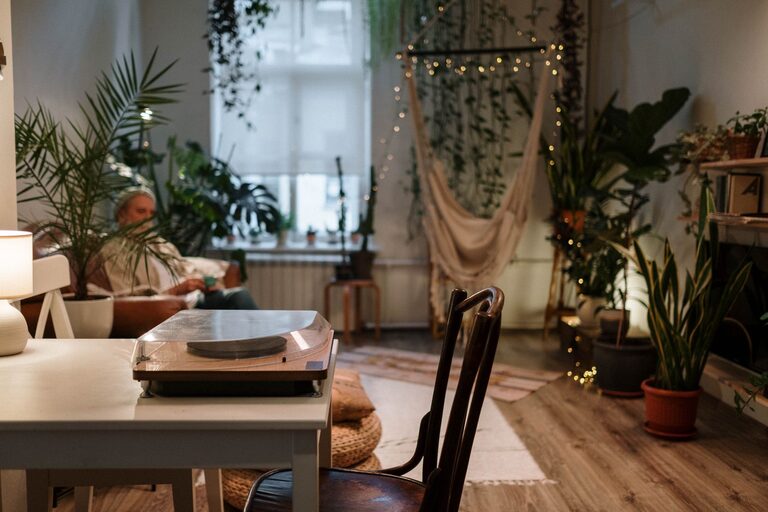
– Comfortable seating options for breaks, such as a cozy chair or cushion
Set Boundaries and Routines
A relaxing workspace also depends on how you use it. Set clear boundaries to separate work time from personal time, even if you’re at home.
Tips for Maintaining Balance:
– Set regular working hours and stick to them
– Use a separate workspace to help switch “on” and “off” mode
– Take frequent breaks; stretch or walk to refresh your mind and body
Personalize Your Space
Lastly, personalize your office to reflect your style and preferences. When your workspace feels like your own, it becomes a place you want to spend time in.
Simple Personalization Ideas:
– Favorite mugs, stationery, or desk accessories
– Inspirational quotes or vision boards
– A comfortable throw blanket or pillow
—
By thoughtfully designing your home office with these tips, you can create a peaceful and productive environment that supports your best work. Remember, everyone’s ideal workspace looks different—experiment with what feels right for you and enjoy the benefits of a calm, comfortable office right at home.